About University
About University

Cradled in the lap of mountains at the foothills of auspicious Trikuta, besides the river Tawi at an altitude of 1030 ft. is Jammu. This 'city of temples' has many places...

Cradled in the lap of mountains at the foothills of auspicious Trikuta, besides the river Tawi at an altitude of 1030 ft. is Jammu. This 'city of temples' has many places...



One of the emerging challenges faced by any higher educational institution is the development, application and maintenance of quality...
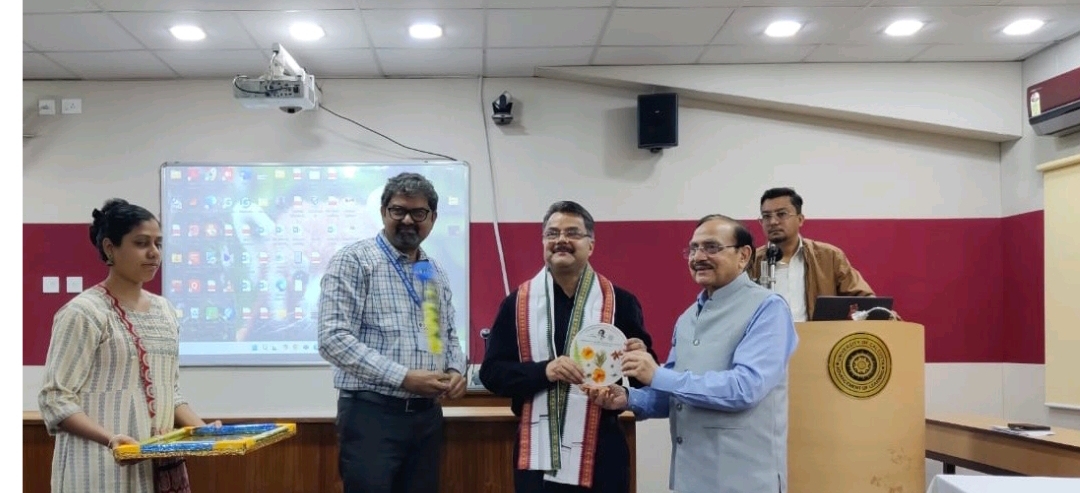 Addressing a galaxy of research scientists, academics, and researchers from both India and outside, Prof Yash highlighted the current state of mushroom diversity worldwide and conservation initiatives in India, particularly in the Indian Himalayan Region of Jammu and Kashmir, and Ladakh. He emphasised the role that mountain ecosystems play in fostering the growth of wild mushrooms, stating that these areas are the Hot Spots of Mushroom Diversity, sustaining forest ecosystems as well as human ecosystems. "These mushrooms are incredibly involved in nutrient cycling, maintain soil health besides nourishing, offering proteins, vitamins, minerals, and antioxidants to benefit the mountain communities and contribute significantly for food security”, informed Prof. Sharma. He further added that some of these novel mushrooms described by his group such as Lactarius drassinus, Lactarius indoevosmus, Pleurotus shentelii, etc. have functional biomolecules that can have immense bioprospecting potential, imparting cold adaptation strategies, and can immensely help in studying future Climate Change. However, ‘there is an immense pressure on these bioresources due to unabated overharvesting and lack of awareness’ cautioned Prof. Sharma. While concluding his address, he urged that in view of some recent reports on the rapid rate of plant and fungal species decline worldwide, policymakers and conservation organizations should include fungi in their goals for global biodiversity conservation and to designate the upcoming decade as the decade of fungal diversity, just as they have done for plants and animals.