About University
About University
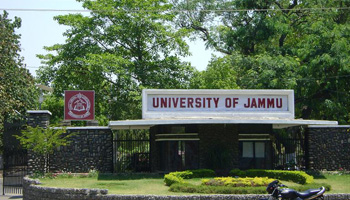
Cradled in the lap of mountains at the foothills of auspicious Trikuta, besides the river Tawi at an altitude of 1030 ft. is Jammu. This 'city of temples' has many places...
Cradled in the lap of mountains at the foothills of auspicious Trikuta, besides the river Tawi at an altitude of 1030 ft. is Jammu. This 'city of temples' has many places...


One of the emerging challenges faced by any higher educational institution is the development, application and maintenance of quality...
Jammu Vishwavidyalaya Sahitya Sanskriti Samagam Concludes at JU
VC urges academia to preserve Jammu region's cultural legacy
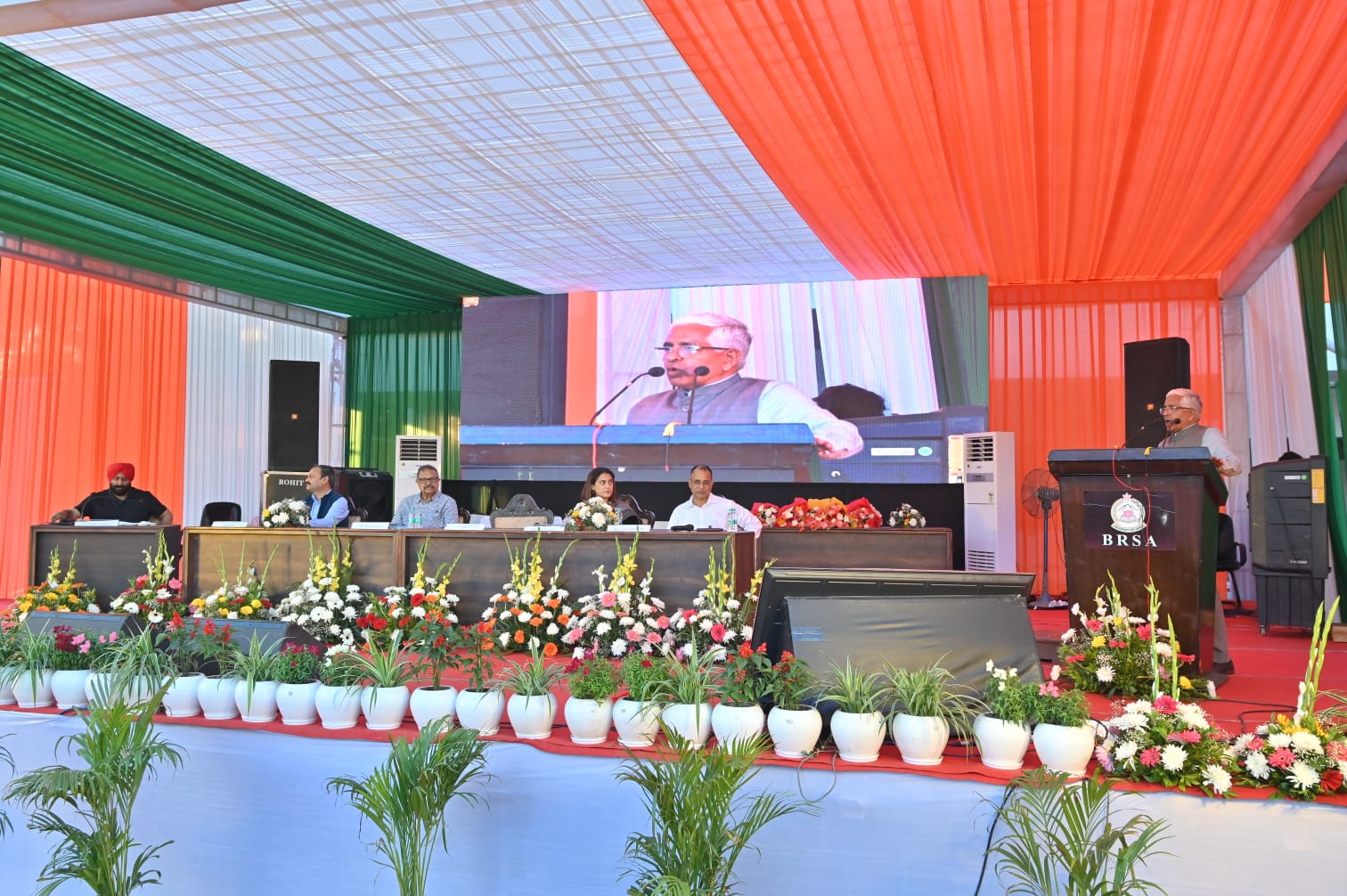
JAMMU MARCH 14: Lauding the rich cultural diversity of the Duggar region, Vice-Chancellor, University of Jammu Prof. Umesh Rai today said that Jammu’s identity has been shaped by centuries of traditions, languages and community practices, making it imperative for academic institutions to document, preserve and promote this heritage for future generations.
The Vice Chancellor was addressing the concluding session of the 2-day Jammu Vishwavidyalaya Sahitya Sanskriti Samagam which concluded at the University of Jammu with insightful panel discussions, vibrant cultural performances and enthusiastic participation from students, scholars and members of civil society.
The Vice-Chancellor highlighted the larger vision of reconnecting the younger generation with the rich literary and cultural traditions of the Jammu region.
He said that the idea behind organising the Sahitya Sanskriti Samagam was to create a meaningful platform where literature, culture and public discourse could come together in a spirit of dialogue and reflection. He emphasized that universities must function not only as centres of academic learning but also as custodians of cultural memory and heritage.
The Vice-Chancellor stressed the importance of integrating regional literature, languages and cultural traditions into academic curricula so that students remain connected with their roots even while engaging with global knowledge systems.
Referring to the Arvind Gyan Kendra, Prof Rai reiterated the University’s commitment to preserving and making accessible valuable cultural literature and intellectual traditions related to the Duggar region. He also expressed satisfaction that the Samagam had successfully brought together scholars, writers, artists, journalists and students on a common platform, encouraging dialogue across generations and strengthening awareness about Jammu’s cultural heritage.
Earlier in the day, a panel discussion on “Jammu Sanskriti Ki Baati: Vyapakata Dikhati” was organised, highlighting the rich and diverse cultural heritage of the Jammu region.
The session featured eminent speakers including Padma Shri Prof. Shiv Nirmohi, Prof. M.K. Waqar, Dr. Harsimran Singh, Dr. Farooq Anwar Mirza, Sh. Chander Kant and Sh. Dharmender Singh, while the discussion was moderated by Jb. Gulaab Safi.
The speakers elaborated on the deep historical roots of Duggar culture, tracing its connections with ancient traditions and references in Vedic literature and regional folklore. They highlighted the contributions of regions such as Bhaderwah, Paddar and the Pahari belt, along with the influence of Punjabi cultural traditions, in shaping the composite cultural identity of Jammu.
The discussion also emphasized how traditional festivals, agricultural practices, community participation and folk traditions continue to preserve the values of unity, harmony and cultural continuity among the people of the region.
The afternoon session included another panel discussion moderated by Sh. Arun Manhas.
The panel included Padma Shri Mohan Singh, Dr. Baljit Singh Raina, Dr. Rajveer Singh, Prof. Asadullah Wani, Kumari Saras Bharti and Sh. Subash Brahamanu, who dwelt upon the role of language, cinema, literature and cultural traditions in shaping youth consciousness and strengthening regional identity.
Parul Thakur from the Department of Journalism, University of Jammu, secured the first prize, followed by Nitish Kumar from the Department of Dogri, University of Jammu, who secured the second position. Akash Rathore from IIMC Jammu won the third prize, while Komal Devi from the Department of English, Central University of Jammu, and Samiksha Mishra from IIMC Jammu received consolation prizes.
The programme also included a Students’ Elocution Contest held at Padma Sachdev Sur Samvad, which witnessed enthusiastic participation from 43 students representing various colleges and universities. Mahi Gupta from GCW Gandhi Nagar secured the first prize, followed by Rahul Thakur from GDC Kathua, who secured the second position, while Ojeswi Rajput from GCW Parade secured the third prize. Mannat Abrol from GDC Reasi and Hetisha from JIAR Jammu were awarded consolation prizes.
The audience was also treated to captivating folk performances by Master Kartar Chand, Sh. Khajoor Singh, Sh. Mohinder Soni and Sh. Sohan Kumar, whose presentations reflected the vibrant folk traditions and musical heritage of the Duggar region.
Adding further vibrancy to the programme, the audience enjoyed lively folk performances by Darshan Patakha, the Slathia Brothers and Bishan Dass, celebrating the rich cultural heritage and musical traditions of Jammu.
The valedictory session, included an engaging panel discussion by eminent journalists Ms. Neha Jalali, Mr. Nishikant Khajuria, Mr. Naveen Nawaz and Mr. Daya Sagar, moderated by Sh. Pradeep Dutta.
Initiating the discussion, the moderator reflected on the rich cultural ethos of Jammu and observed that despite the region’s long tradition of inclusivity and harmonious coexistence of diverse communities, its literary and cultural heritage had not always received the prominence it deserved in wider discourse.
The panelists noted that historical and political developments often resulted in a specific narrative in public discussions, which inadvertently limited the visibility of Jammu’s cultural contributions. However, they acknowledged that institutions such as the University of Jammu, since its establishment in 1969, have played a significant role in promoting regional literature, language and cultural traditions through academic initiatives and cultural platforms.
The speakers emphasized that Jammu’s identity is deeply rooted in its diversity and cannot be confined to a single district or community.
Describing the region as a “bouquet of cultures,” the panelists highlighted the contributions of Dogra, Pahari, Gujjar-Bakarwal and other hill communities from areas such as Doda, Bhaderwah, Rajouri and Poonch, which together shape the composite cultural identity of Jammu. They also appreciated the initiative of the University of Jammu in organising the Samagam, noting that it had brought together students from distant regions, many of whom were visiting Jammu city for the first time, thereby creating a meaningful platform for dialogue, cultural exchange and literary engagement.
The panelists also stressed the importance of actively involving the younger generation in preserving and promoting cultural traditions. They suggested that digital platforms, social media and contemporary communication tools can be effectively used to document and disseminate Jammu’s literature, folklore and artistic traditions to a wider audience. By creatively combining tradition with modern technology, they said, young people can play a crucial role in sharing the region’s inclusive cultural ethos with the world.
The valedictory function was enriched by vibrant cultural presentations that reflected the living traditions of the Duggar region. Artists showcased traditional folk dances, while the audience was enthralled by performances from the BSF Band and Pipe Band, whose musical renditions added ceremonial grandeur to the occasion. Students of the University also presented cultural performances bringing the two-day literary and cultural gathering to a colourful and memorable conclusion.
Over the course of two days, the Jammu Vishwavidyalaya Sahitya Sanskriti Samagam transformed the University of Jammu into a vibrant hub of literary dialogue, cultural reflection and artistic expression. Dogra art, culture and cuisines were also showcased during the two day event.
The event fulfilled its objective of bringing together scholars, writers, artists, journalists and students, while reaffirming the University’s commitment to preserving and promoting the rich cultural legacy of Jammu and the broader Duggar region.