About University
About University
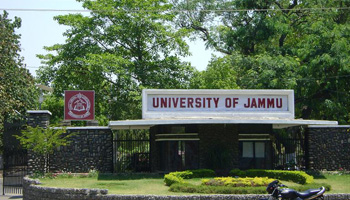
Cradled in the lap of mountains at the foothills of auspicious Trikuta, besides the river Tawi at an altitude of 1030 ft. is Jammu. This 'city of temples' has many places...
Cradled in the lap of mountains at the foothills of auspicious Trikuta, besides the river Tawi at an altitude of 1030 ft. is Jammu. This 'city of temples' has many places...



One of the emerging challenges faced by any higher educational institution is the development, application and maintenance of quality...
JU Organizes Community Awareness Workshop on Traditional Water Bodies at Pangali Village
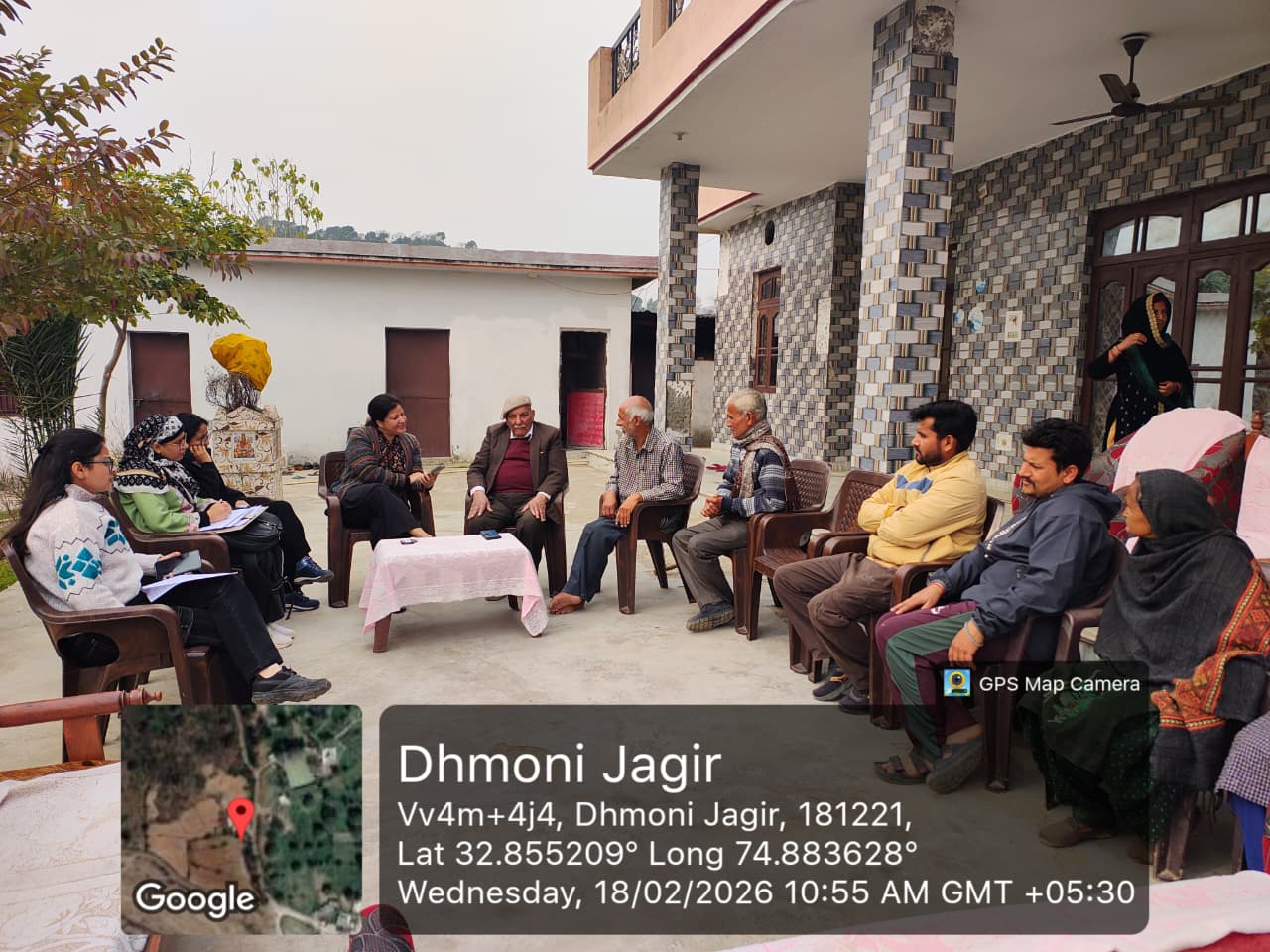
Jammu, Feb 18: A Community Awareness Workshop on traditional water bodies was successfully organized by the Department of Environmental Sciences, University of Jammu, at Pangali village along the historic Old Mata Vaishno Devi Route, with the objective of sensitizing local communities about the conservation and sustainable management of traditional water bodies and associated heritage structures.
The workshop brought together members of the Panchayat, local residents, subject experts, and scholars for an interactive dialogue on the ecological, cultural, and socio-economic importance of traditional water resources along the pilgrimage route. The deliberations focused on the urgent need to revive and protect these indigenous water bodies, which have historically supported local livelihoods, recharged groundwater, and served pilgrims traversing the route.
Prof. Deepika Slathia, Head, Department of Environmental Sciences, highlighted the critical role of traditional water bodies such as wells, stepwells, ponds, and tanks in maintaining hydrological balance and addressing emerging water stress in the region. Emphasis was laid on integrating scientific approaches with traditional knowledge systems to ensure their long-term sustainability.
Shri S. M. Sahni, Convener, INTACH, Jammu Chapter, elaborated on the historical and cultural significance of the Old Mata Vaishno Devi Route and its associated heritage assets. He informed the gathering about various government schemes and conservation mechanisms available for the restoration and renovation of these heritage sites and traditional water structures, stressing the importance of coordinated efforts among local communities, Panchayats, and concerned departments.
Members of the Panchayat and local residents expressed serious concerns regarding the degradation, neglect, siltation, and declining water availability in these traditional water bodies. They collectively urged timely intervention by the authorities for restoration, regular maintenance, and scientific assessment to safeguard these valuable community resources.
Research scholars of the department, Ms. Tsering Dolkar, Ms. Shivali Sharma, Ms. Saheem, and Ms. Neeraj, actively interacted with the local community and documented their concerns, traditional knowledge, and suggestions for improved management of water bodies. Their engagement strengthened the participatory and field-oriented approach of the workshop.
The programme was organized as part of an ongoing research project sanctioned to the department under RUSA 2.0 by the University of Jammu. The project aims to systematically document traditional water structures, assess their present condition, and develop community-centric strategies for their conservation and revival.
The workshop concluded with participants collectively reaffirming their commitment to protecting the traditional water bodies and heritage of the route, and to working together with authorities and experts to ensure their sustainable management for future generations of pilgrims and local communities.